54.2%
Percentage of the population less than 25 years old

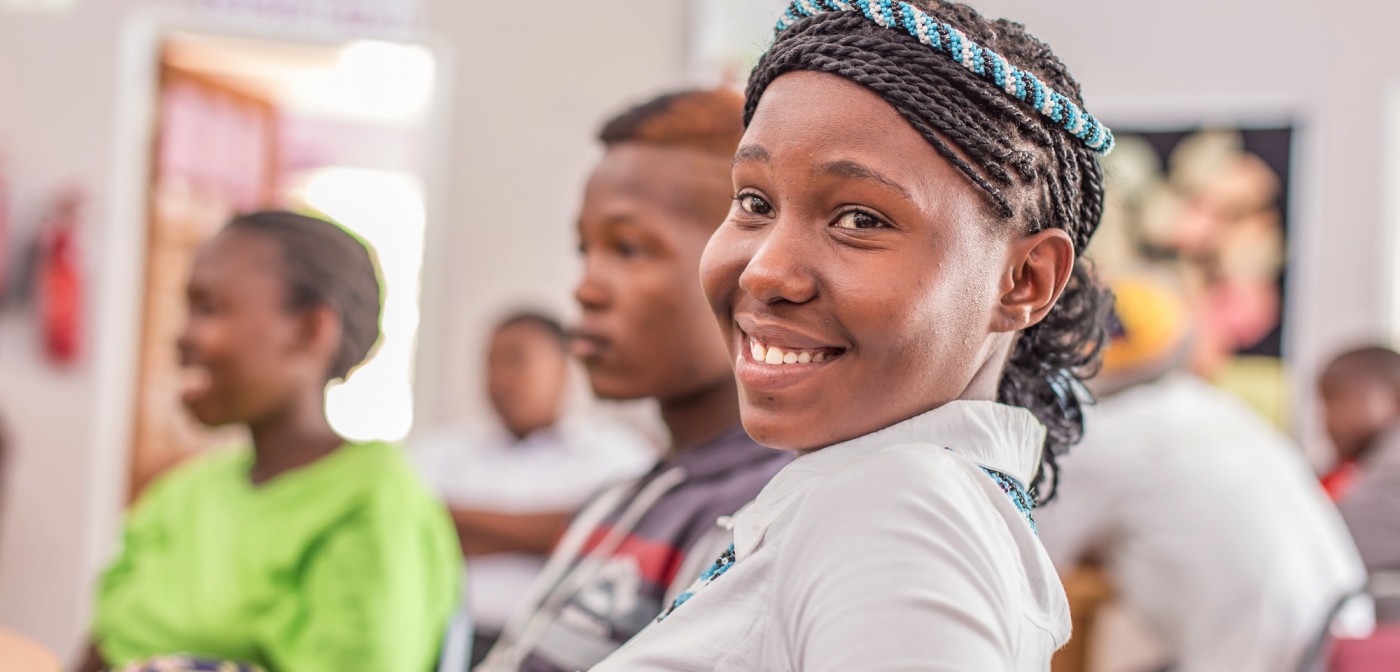
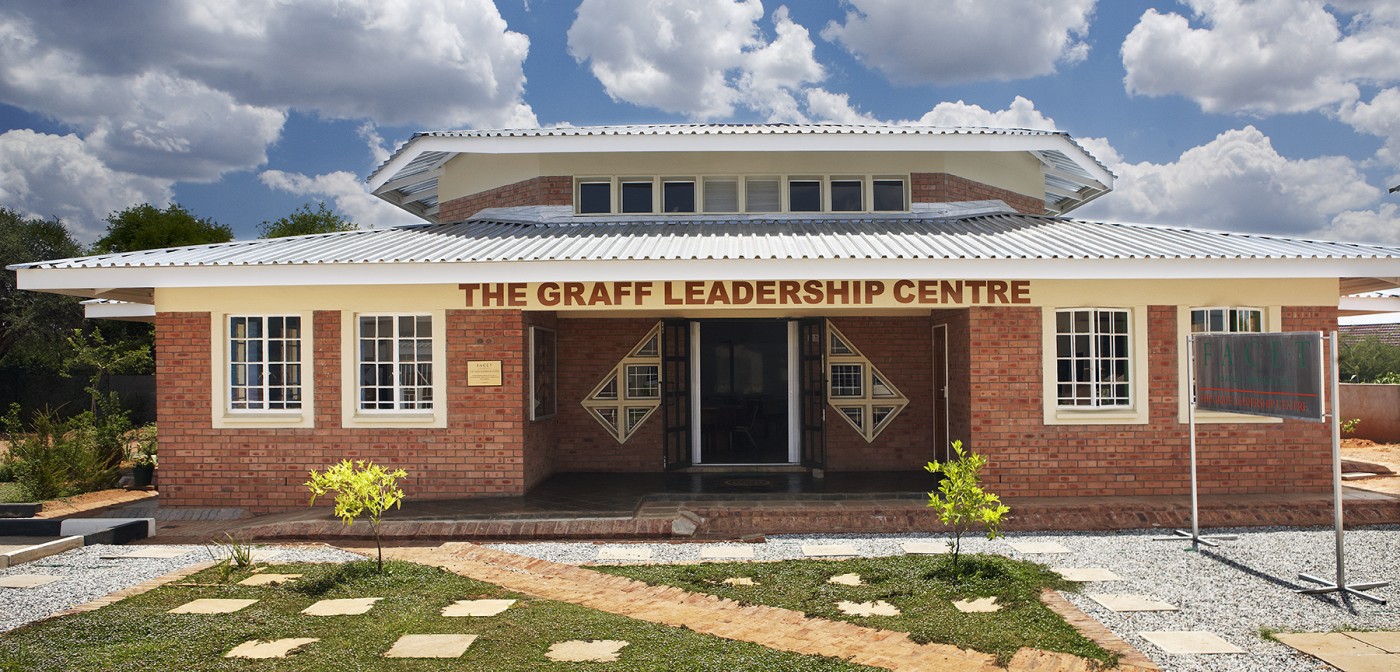
The Graff Leadership Centre is located in Mochudi, 40km from the capital city, Gaborone. It offers the following services to the local community:

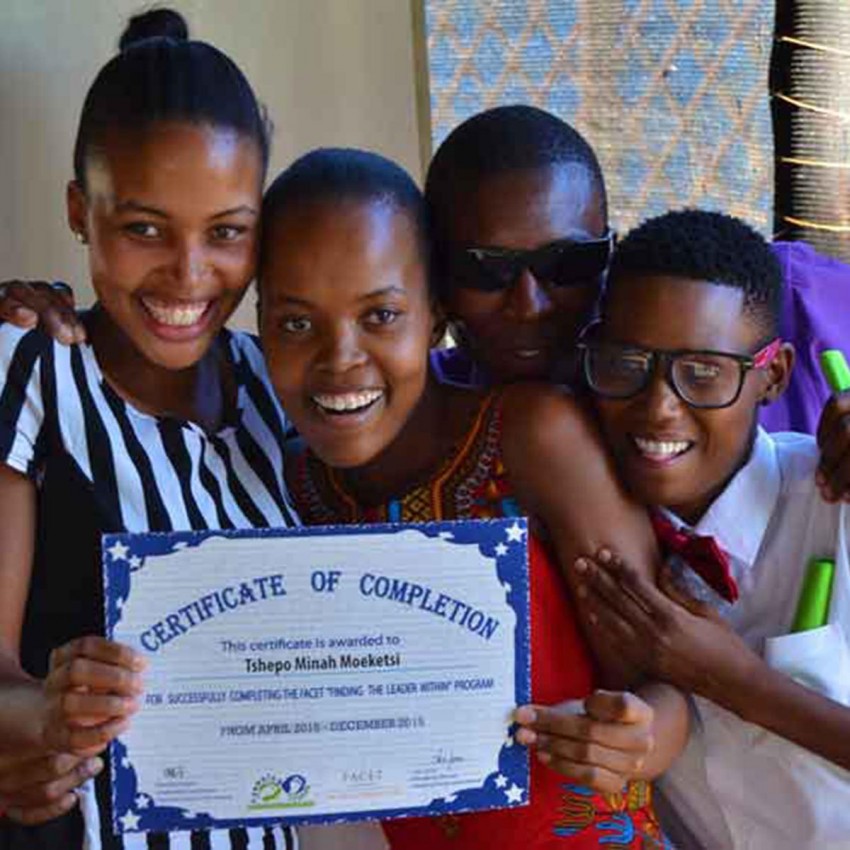
Supporting 70 orphaned or vulnerable youngsters between 16 and 26 each year via the Finding the Leader Within programme

Educating on topics such as leadership, civic participation, business and computer skills, financial literacy, English literacy, career interview techniques and interpersonal skills

One-on-one & group counselling sessions covering emotional, health and mental issues

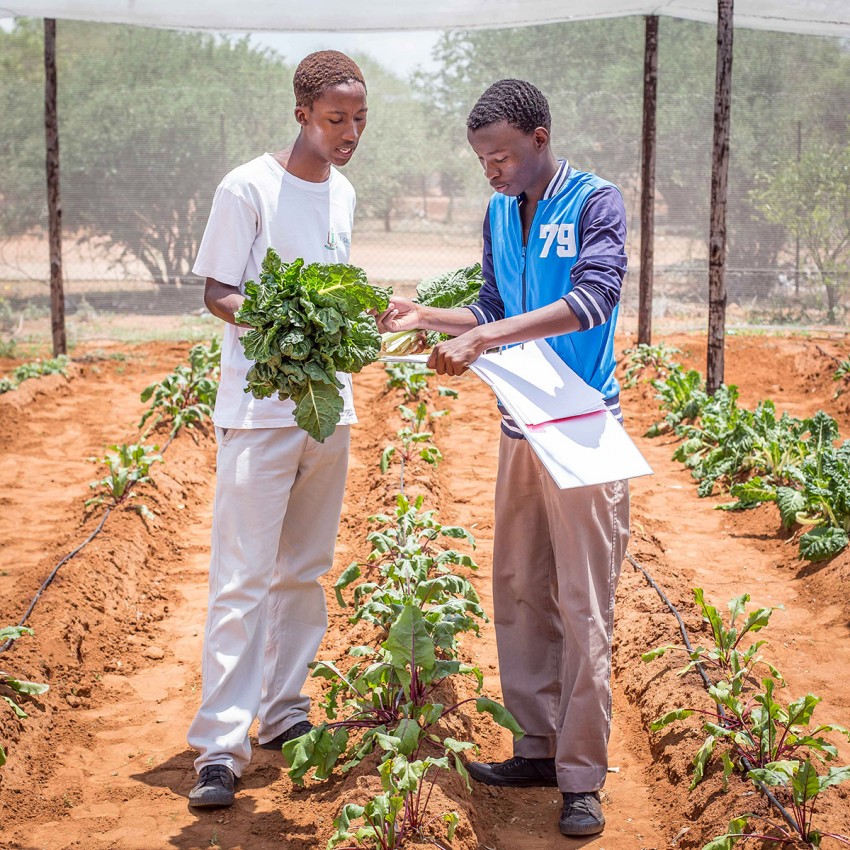
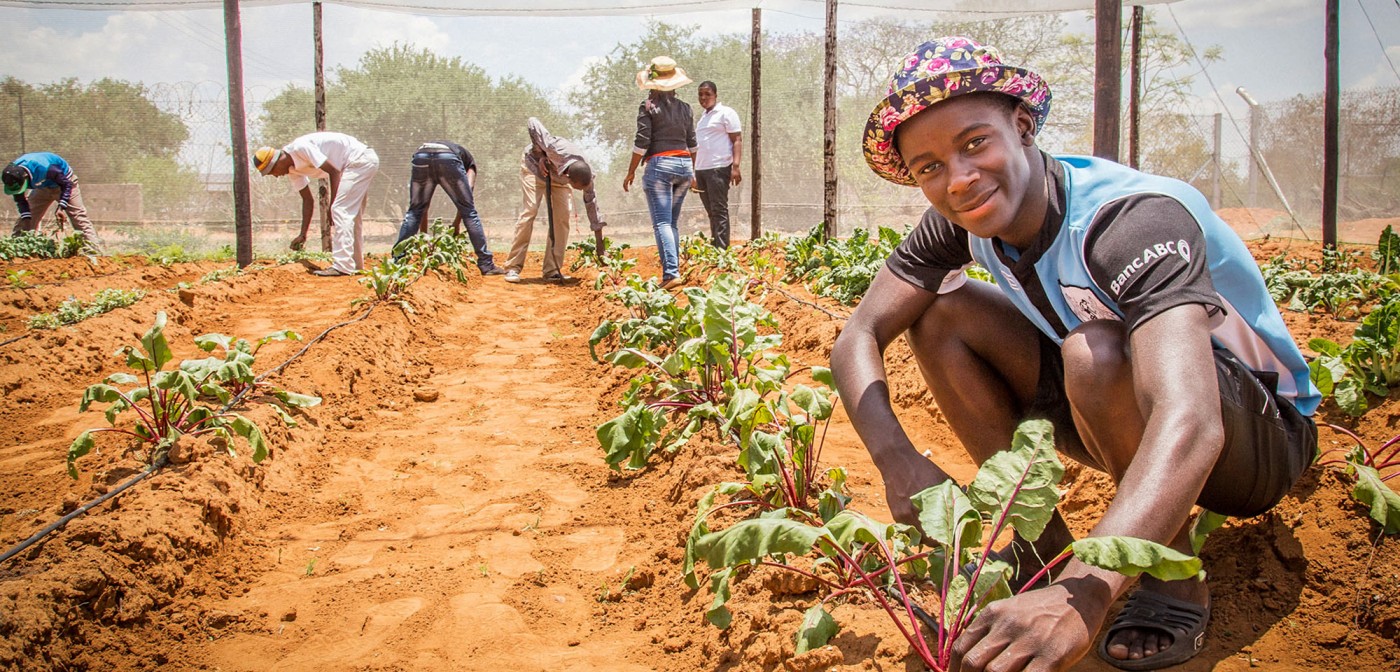
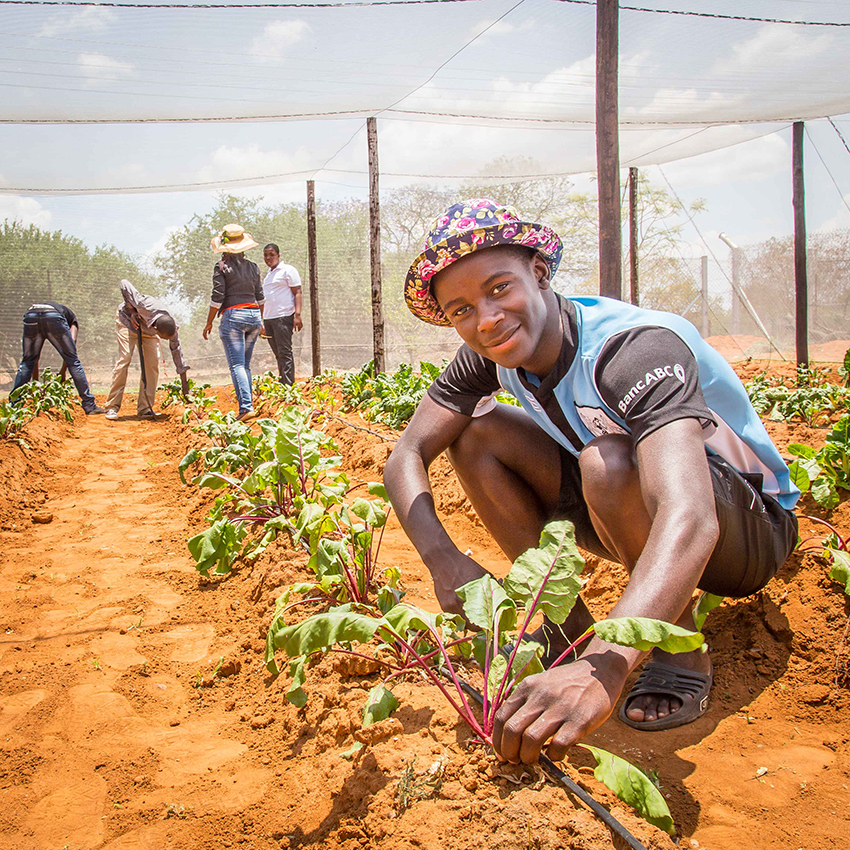
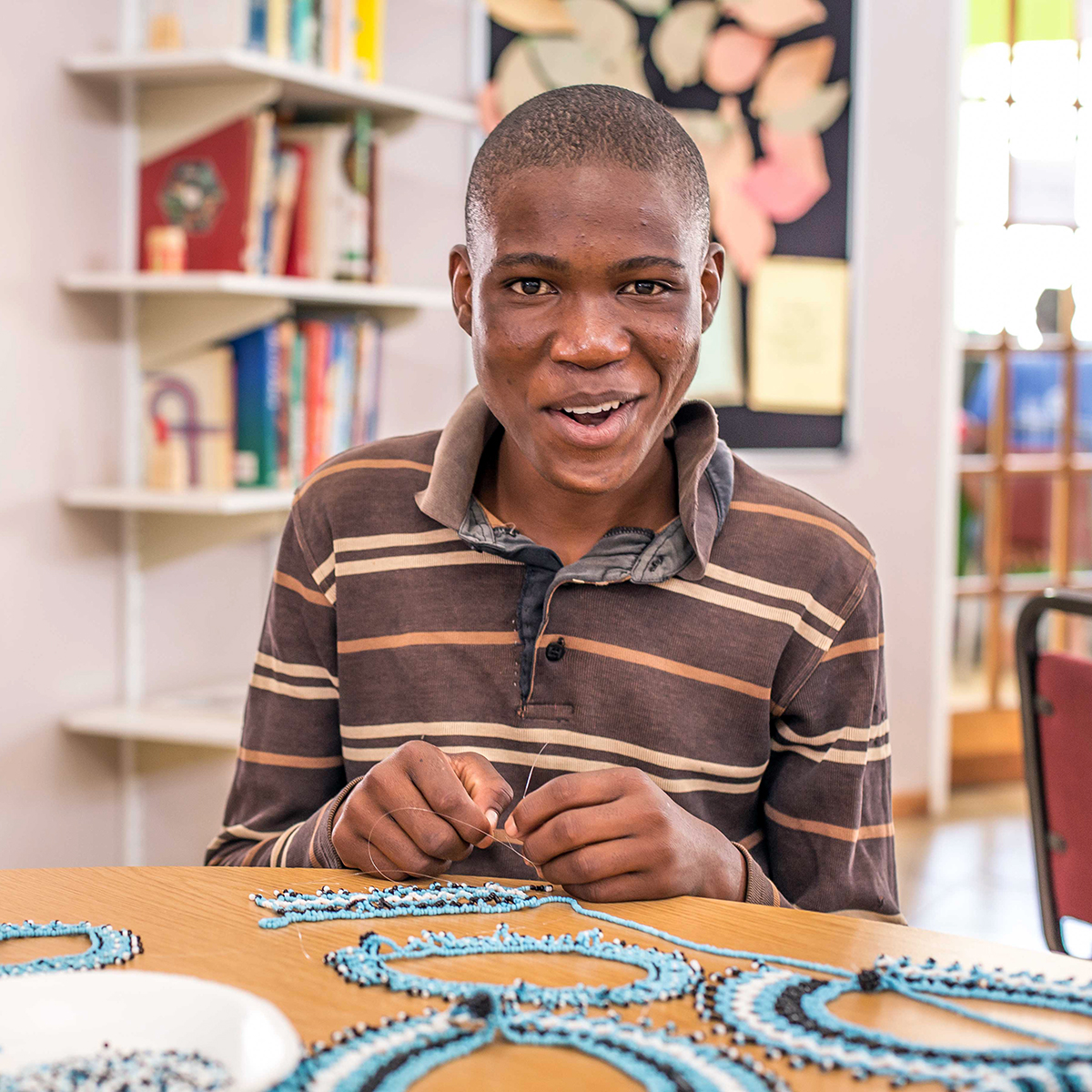
Workshop activities covering themes such as agriculture business practices, democracy, substance abuse support and bead making for income generation

Creating job and internship opportunities where local companies provide trial periods and then offer permanent roles

Reaching out to more than 3,000 youth with career guidance and motivational talks at schools

Expanding the Finding the Leader Within programme to the Baylor Center of Excellence in Gaborone to serve an additional 35 youth

80% return to school or enter stable employment within three years of completing the programme

Profits from new companies setup by leadership graduates in events, arts and catering industries provide loans to other entrepreneurial projects in the community

Poetry recitals, art workshops and drama performances have been put on for visiting royalty

Past participants have gone on to university as well as into careers in fashion, landscaping and hospitality
Stepping Stones International develops the potentials of orphaned and vulnerable youth by nurturing their mental, physical and social well being, providing the opportunity for them to become self sufficient.
The programmes run by the charity combine life skills with leadership training, psychosocial support and community mobilisation.
Find out more about Stepping Stones International

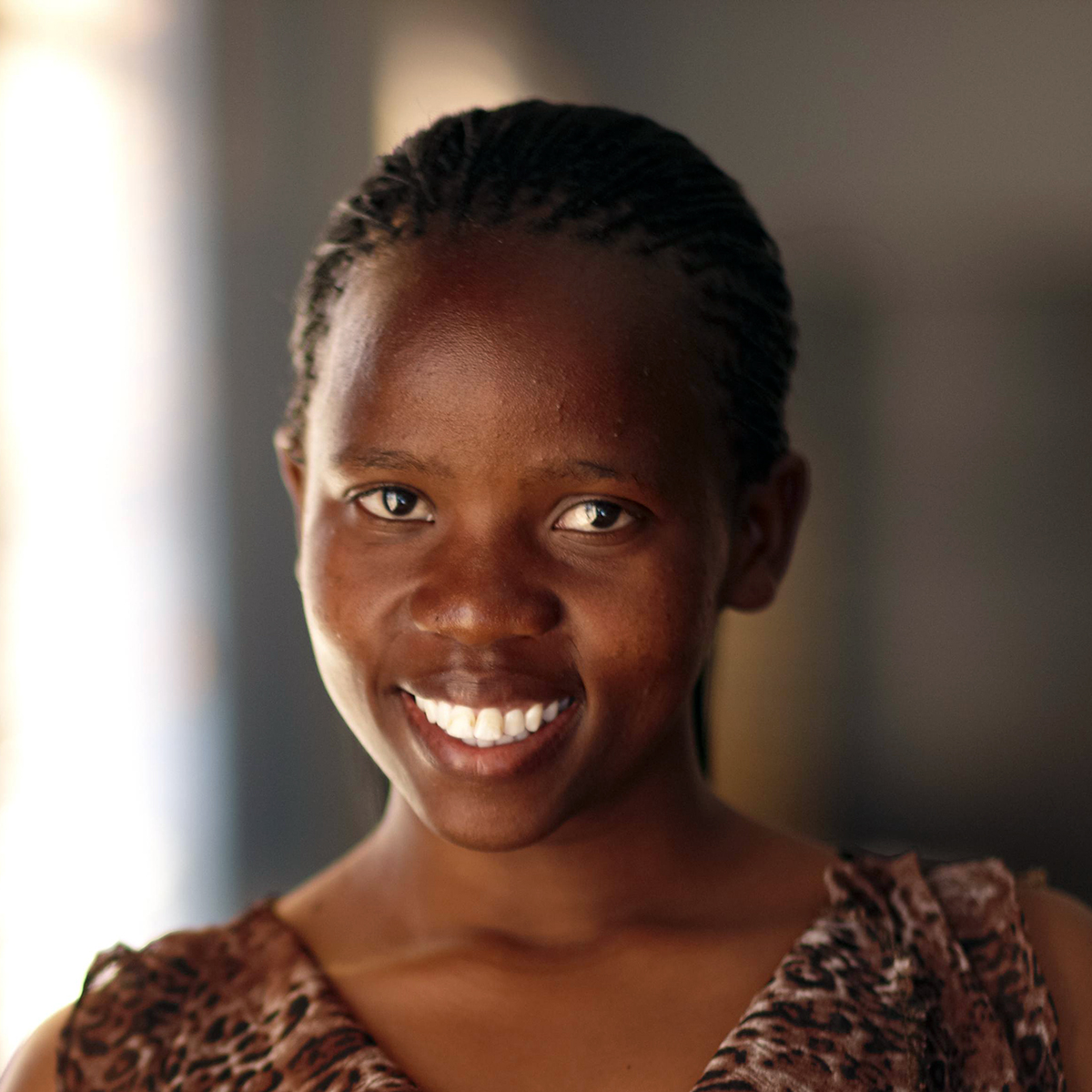


Phatsimo was invited to join the leadership programme, having completed form five at school, when she was 20. Throughout her childhood, she had suffered several setbacks; given up by her parents at seven months, beaten by her aunt, raped at the age of five, and losing her sister when she was just 15.
At the centre she initially struggled, but slowly came to unburden herself of her suffering through counselling sessions. She also learned about parent-child communication and the dangers of drug and alcohol abuse, received career guidance and took classes in financial literacy. When she left the centre, she obtained high marks in her secondary education exams and is now studying for a degree in counselling.
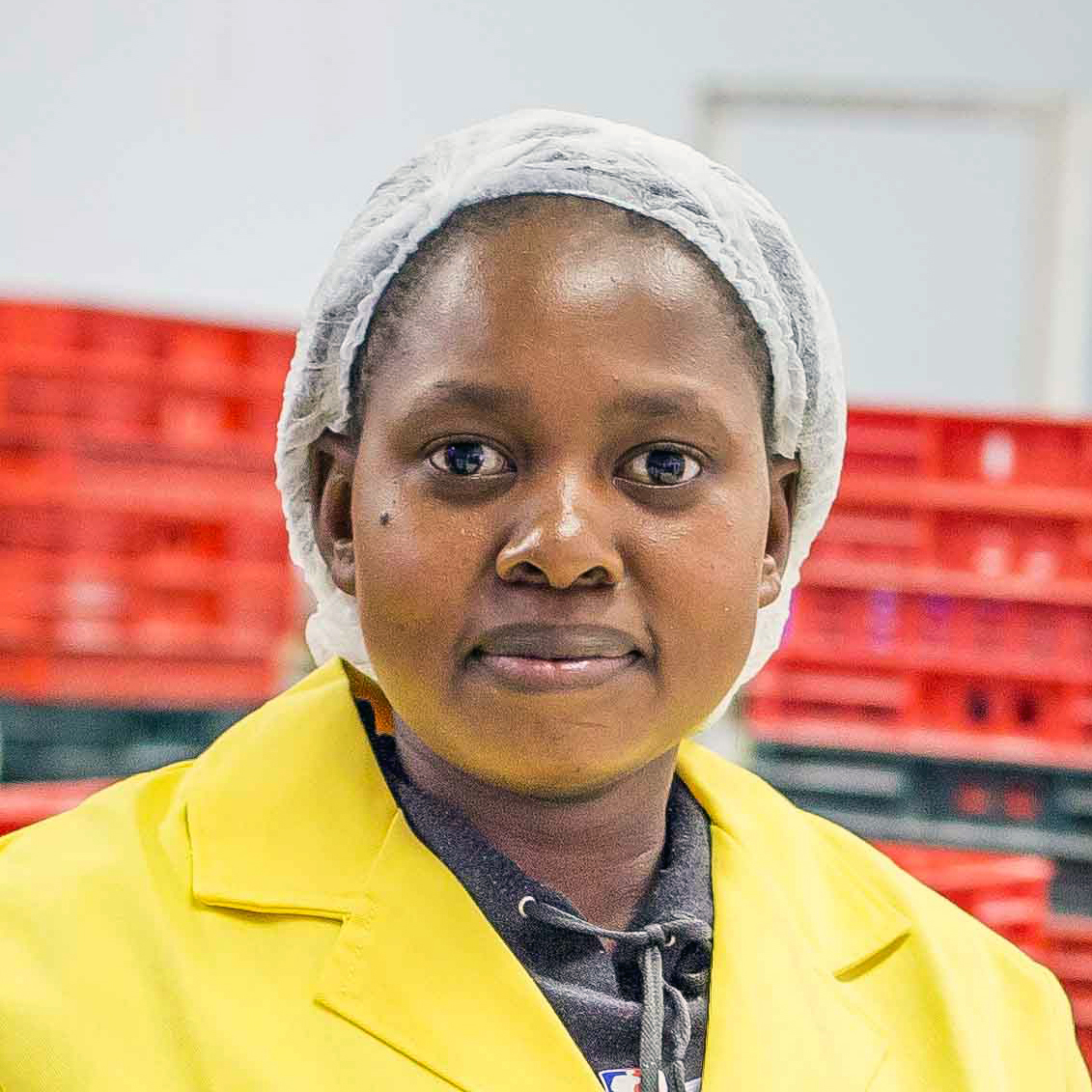
Previous NextWhen she was 23 Kenewang was stuck at home with no plans for her future. Her learning difficulties saw her fail at school and, without any forthcoming support, she found herself with nowhere to go. Unable to make a written application to the Finding the Leader Within programme, she applied in person and was soon invited on board.
With a natural love for cooking, she volunteered in the kitchens, and when a local food preparation company – Pie Time – came to interview candidates, Kanewang was put forward. She was well placed having learned interview skills at the centre. Five months on, she couldn’t be happier in her new role.
Previous NextBefore joining the Finding the Leader Within programme, Tebogo was actively campaigning on human and reproductive rights within his community, but struggled to find permanent employment. While on the course he came to learn how to respect people holding different opinions, and during an interview with food preparation company Pie Time he requested a role in the human resources department.
There he was able to use his new interpersonal skills, manage people, communicate effectively, build teams and lead his colleagues.
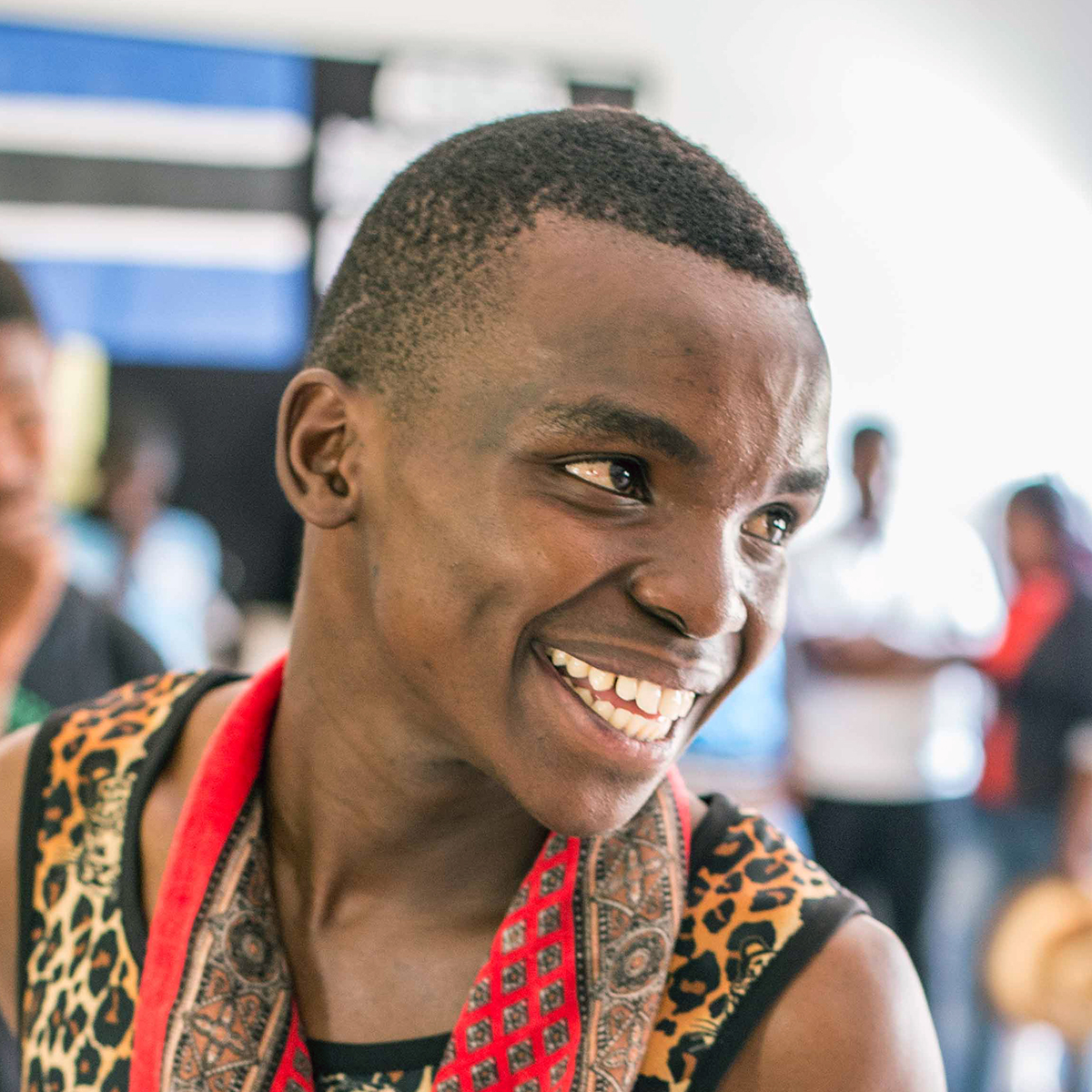
Previous NextLuckymore was a shy child with a love for singing. His father wanted him to follow in his footsteps into the family business and become a panel beater, however Luckymore was determined to pursue his talents. The Finding the Leader Within programme gave him the confidence to do so and, after a year of being coached in voice lessons and developing stage presence, he was ready for the next step.
He entered – and won – the My African Dream competition for his operatic singing. The night he won was the first time his parents heard him sing, and soon their relationship was repaired and they understood his need to use his voice. Alongside his singing career he now gives back to the community, helping other youth develop their leadership skills and has opened an entertainment business with other leadership youth.
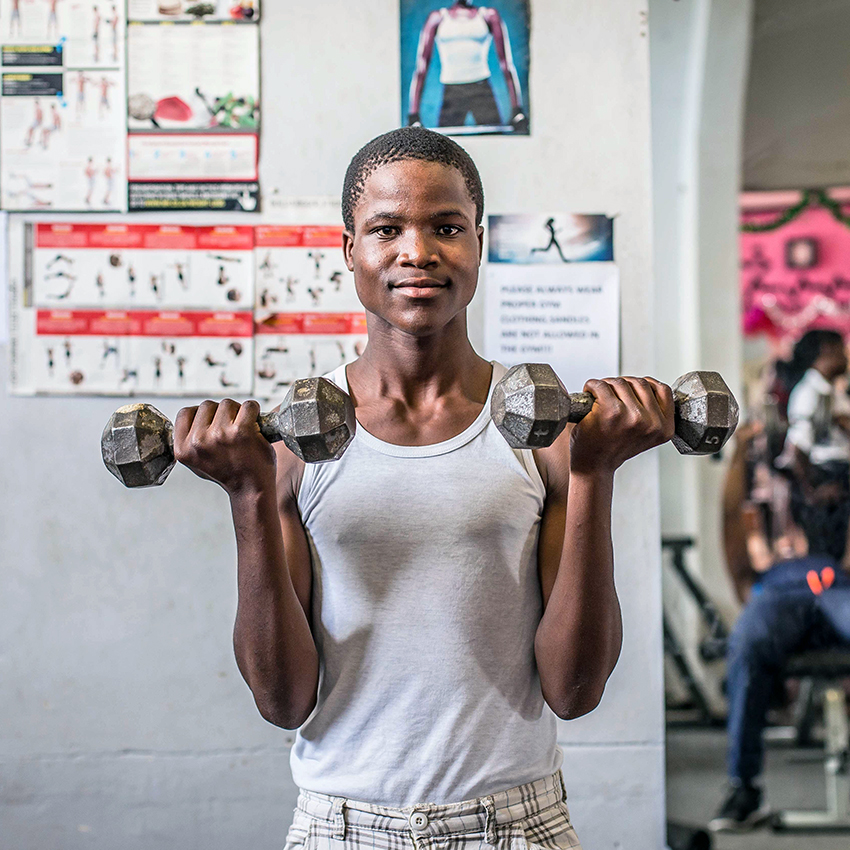
Previous NextThe Finding the Leader Within programme encourages participants to develop sporting abilities as much as entrepreneurial and academic talents. Letlhogonolo grew up in a small village with little prospects, as his parents could not afford school fees. He encountered the programme through his love for running, having gained a last-minute place in a fundraising marathon – in which he finished third.
While his goal remains to reach the national athletics team, with further help from the programme he has secured a role with the Botswana Power Corporation. He continues to compete for a running club in Gabarone and hopes to be accepted on to the national side soon.
Previous Next
£64 • €88 • $100
can provide psychological counselling for a participant for one month

In the definitive new book, ‘Graff’, leading jewellery historians, writers and best-selling authors recount the fascinating history of Laurence Graff and showcase the essence of the House, renowned for presenting the most dramatic, mesmerising, and exceptional jewels to the world.
From the miracle of diamond discovery through to the artistry of jewellery design, the creation of exceptional timepieces and the emotional connection of a special piece, ‘Graff’ explores every facet of the world’s most spectacular jewels.
All proceeds from the sale of the book will be donated to the FACET Foundation.